
Pure Sale, On Approval and Seller's Reserve: Copart and IAAI sale statuses explained
What auction sale statuses mean: Pure Sale, On Approval, Seller's Reserve and Minimum Bid. How they differ, when winning the bidding does not mean buying the car, and how each one should change your bidding strategy.
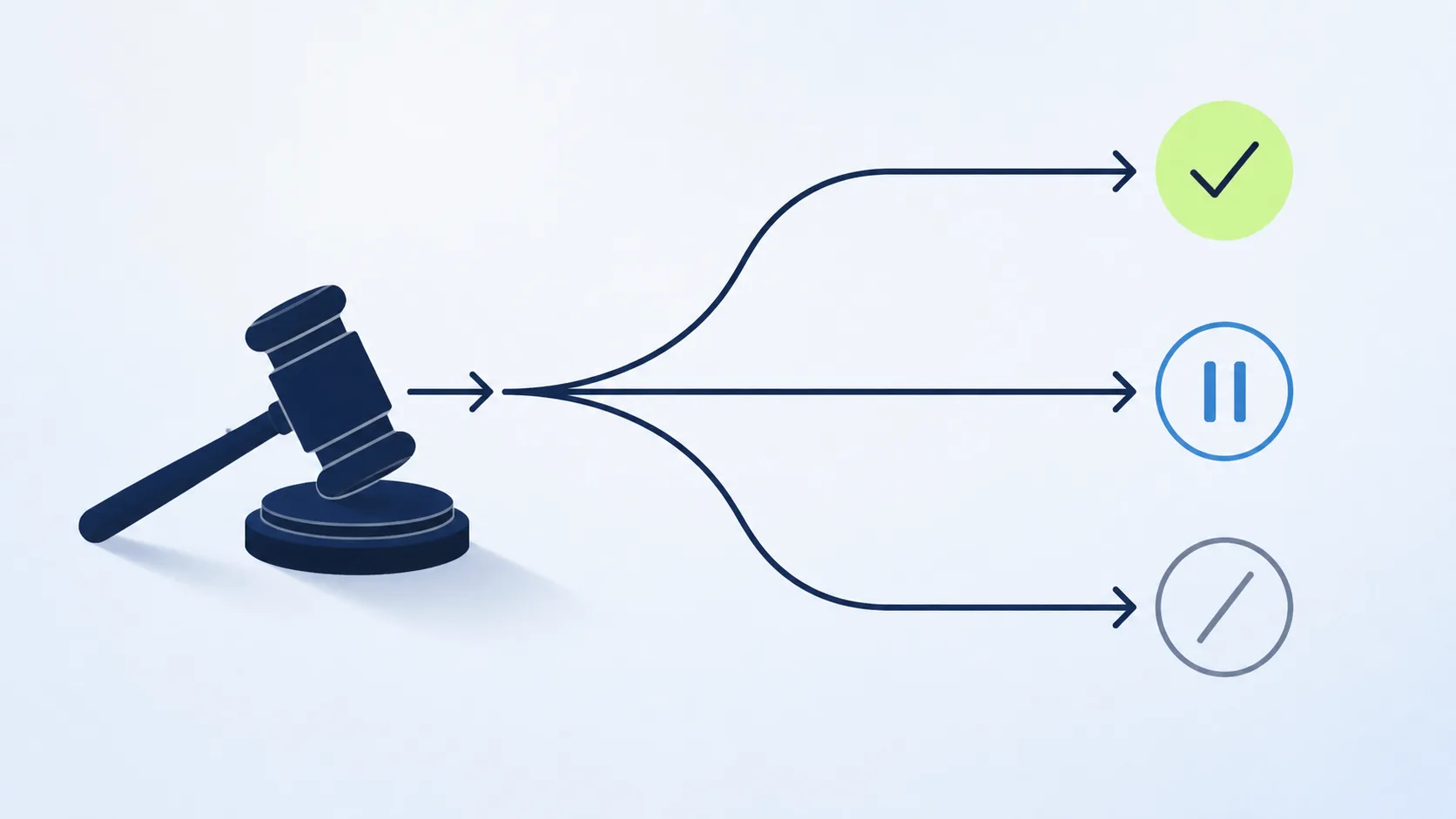
A dealer bids, sees "You won", and starts planning transport. A day later an email arrives: the seller declined the bid. The deposit is tied up, a customer has already been promised the car, and the lot goes back to auction.
That is not a glitch and not a trick. It is the sale status, which was on the lot page before bidding ever opened. Each one changes what a winning bid actually buys you.
What a sale status is, and why it outranks price
A sale status is the condition the seller listed the lot under. It answers one question: is the seller obliged to hand over the car to the highest bidder?
Cars at Copart and IAAI are sold by insurers, banks, leasing and rental fleets, and dealers — each with different economics. An insurer closing a total-loss claim often wants the car gone at any price, so it lists Pure Sale. A leasing company carries an internal residual value, so it sets a reserve. That difference decides whether your bid is final.
Pure Sale — the bid is final
The simplest and most desirable status. The lot sells at whatever the final price is: highest bid wins, full stop. No reserve, no approval, no seller veto. If you are the only bidder at $200, the car is yours at $200.
- Where it shows up: most often on insurance lots closing out a claim, and on cars that have been sitting in the yard for a while.
- What it means for you: the outcome is known immediately and transport planning can start the same day.
- The risk: psychological. Pure Sale is the easiest place to outbid yourself — your ceiling has to be a calculated number from before the sale, not one invented during it.
On Approval — the bid goes to the seller
Your high bid does not close the deal; it goes to the seller for review. They have a limited window — typically until the end of the next business day — to do one of three things:
- 1Accept the bid — the deal closes at your number.
- 2Decline it — the lot returns to auction and you have bought nothing.
- 3Counter offer — name their own figure, which you may accept or refuse.
A counter offer is normal practice, not pressure: the seller is showing you what they will actually take. For a dealer that means one thing — before bidding you need not just a maximum bid, but a maximum counter-offer acceptance price. Otherwise you are making that decision in half an hour, in a chat with a customer.
Seller's Reserve and Minimum Bid
The seller has set a floor they will not sell below. The mechanics resemble On Approval with one important difference: the reserve is either shown to you or becomes visible right after the sale closes, so you know how far short you fell.
Clear the reserve and the lot is yours automatically. Fall short and the decision returns to the seller: accept, decline, or counter.
| Status | Bid final? | Reserve visible? | When you know |
|---|---|---|---|
| Pure Sale | Yes | No reserve | Immediately |
| On Approval | No | No | End of next business day |
| Seller's Reserve / Minimum Bid | Only above the reserve | Yes | Immediately, if the reserve is cleared |
How status should change your bidding
The same car calls for different behaviour depending on how it is listed.
On Pure Sale
Maximum bid = expected resale minus full landed cost minus your target margin. That number is calculated before the sale and is not revised during it. The fee calculator settles the first half of that equation from the lot number.
On On Approval
Bid below your ceiling and leave room for the counter. A seller who expects to approve often nets less than they would on a Pure Sale, and that is already priced into their expectations. Decide your counter-offer acceptance number in advance and do not raise it under deadline pressure.
On Seller's Reserve
If the reserve is visible and sits above your ceiling, do not spend time on the lot. If it is close to your ceiling, the decision reduces to one question: does the margin still work at exactly the reserve?
Other labels worth knowing
- Buy It Now — a fixed price with no bidding. More than the expected auction price, but complete certainty immediately.
- Bid Now / Preliminary Bidding — the stage before live bidding. A bid here is not a final price.
- Sold vs Pending — "Pending" means the transaction has not closed; on On Approval that is the normal interim state.
- Re-run / Relisted — the lot is back at auction after a declined bid. A lot that keeps reappearing is telling you the reserve is high.
What to check before bidding
Sale status is one of four things that decide whether a lot is worth entering at all:
- 1What the car is — decode the VIN, check the build against the listing, and read the damage codes.
- 2Which title it carries — whether it can be exported and registered: title check.
- 3What the deal costs — auction fees plus logistics and duties.
- 4What the sale status is — whether winning the bidding means owning the car.
The first three are arithmetic and data. The fourth is a risk you cannot calculate but can account for. Dealers who track sale status do not have deals hanging over the end of the month.
NotedCar detects the sale type on every lot automatically and keeps deal status visible — alongside landed cost and your maximum bid.
Start 14 days free