
How not to lose margin at Copart and IAAI
No filler: what a lot really costs, which titles to walk away from, and when winning the bidding does not mean owning the car.

Copart and IAAI fees in 2026: every buyer charge and how to price a lot properly
Your bid is roughly 75–85% of what you actually pay the auction. Here is every Copart and IAAI charge, what moves it, and how to price a lot before you bid.
Read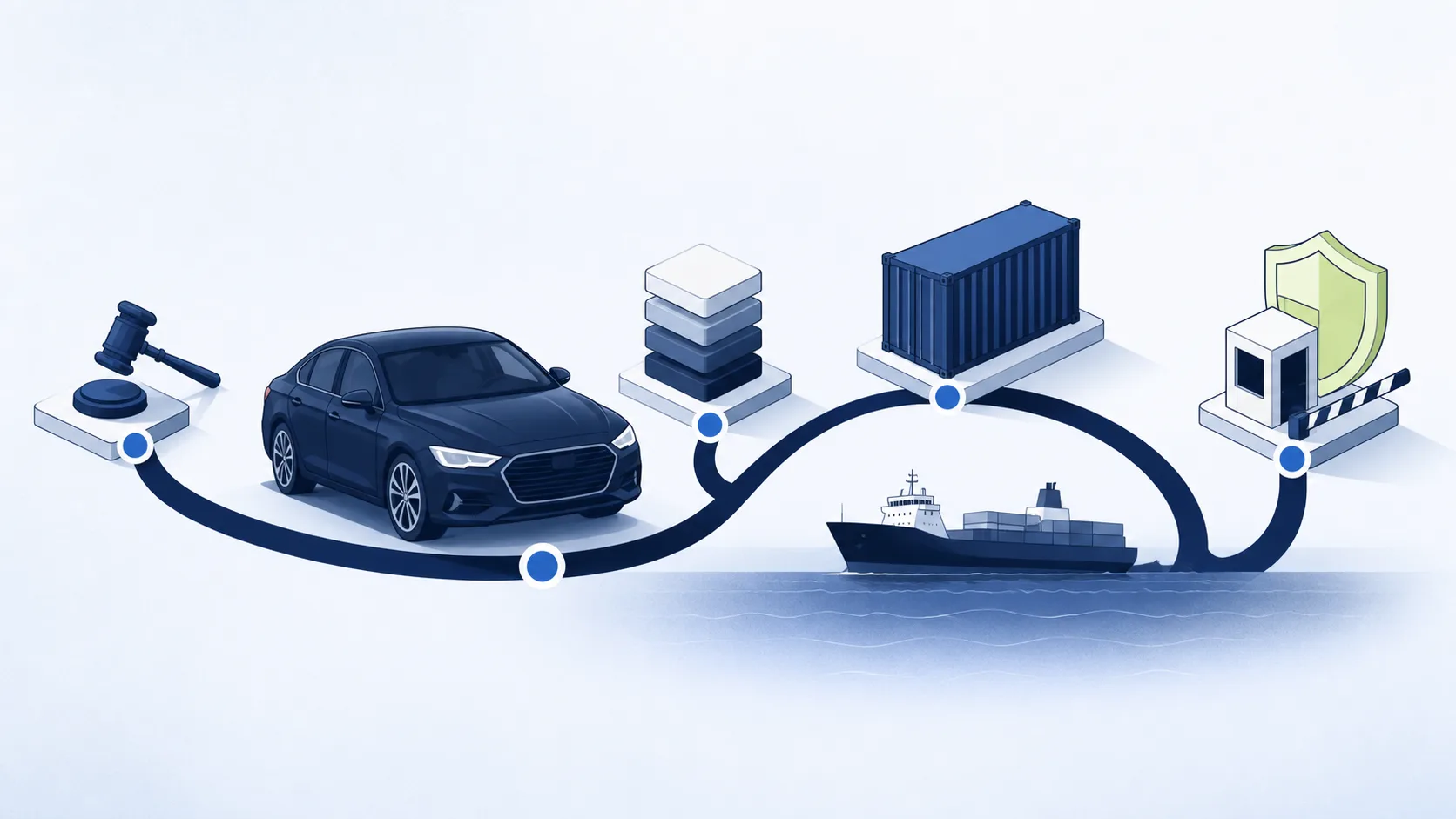
Landed cost of a US car: from the auction bid to customs clearance
The auction bid is roughly half of what you will pay. Here is the other half — and how to work your maximum bid backwards from the margin you need.
Read
Pure Sale, On Approval and Seller's Reserve: Copart and IAAI sale statuses explained
Winning the auction and buying the car are not the same thing. Here is what every Copart and IAAI sale status means for your bid.
Read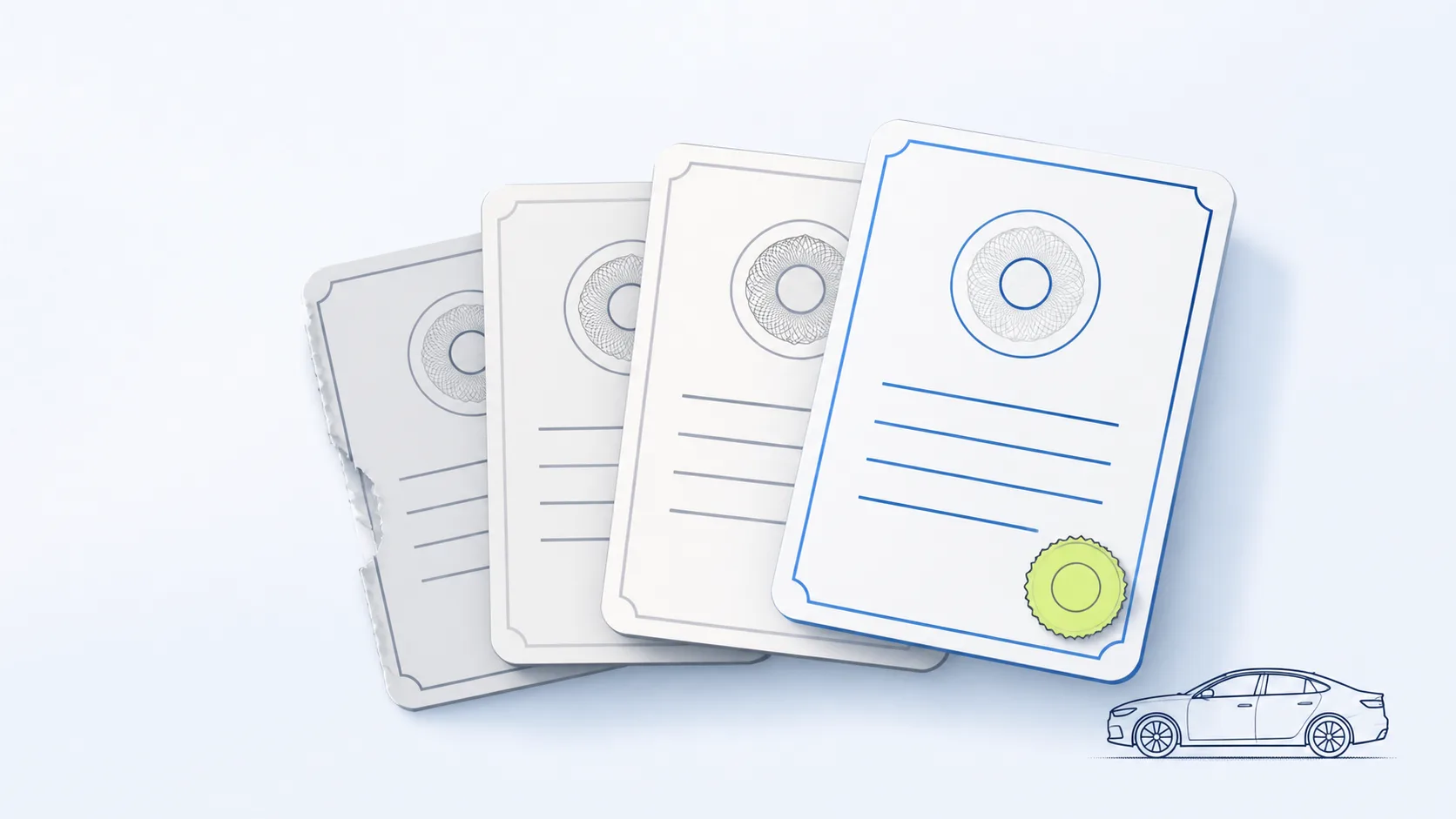
US car titles explained: Clean, Salvage, Rebuilt and Junk — and what can actually be exported
The title is the document that decides everything: whether the car leaves the country, whether it clears customs, and what the deal really costs.
Read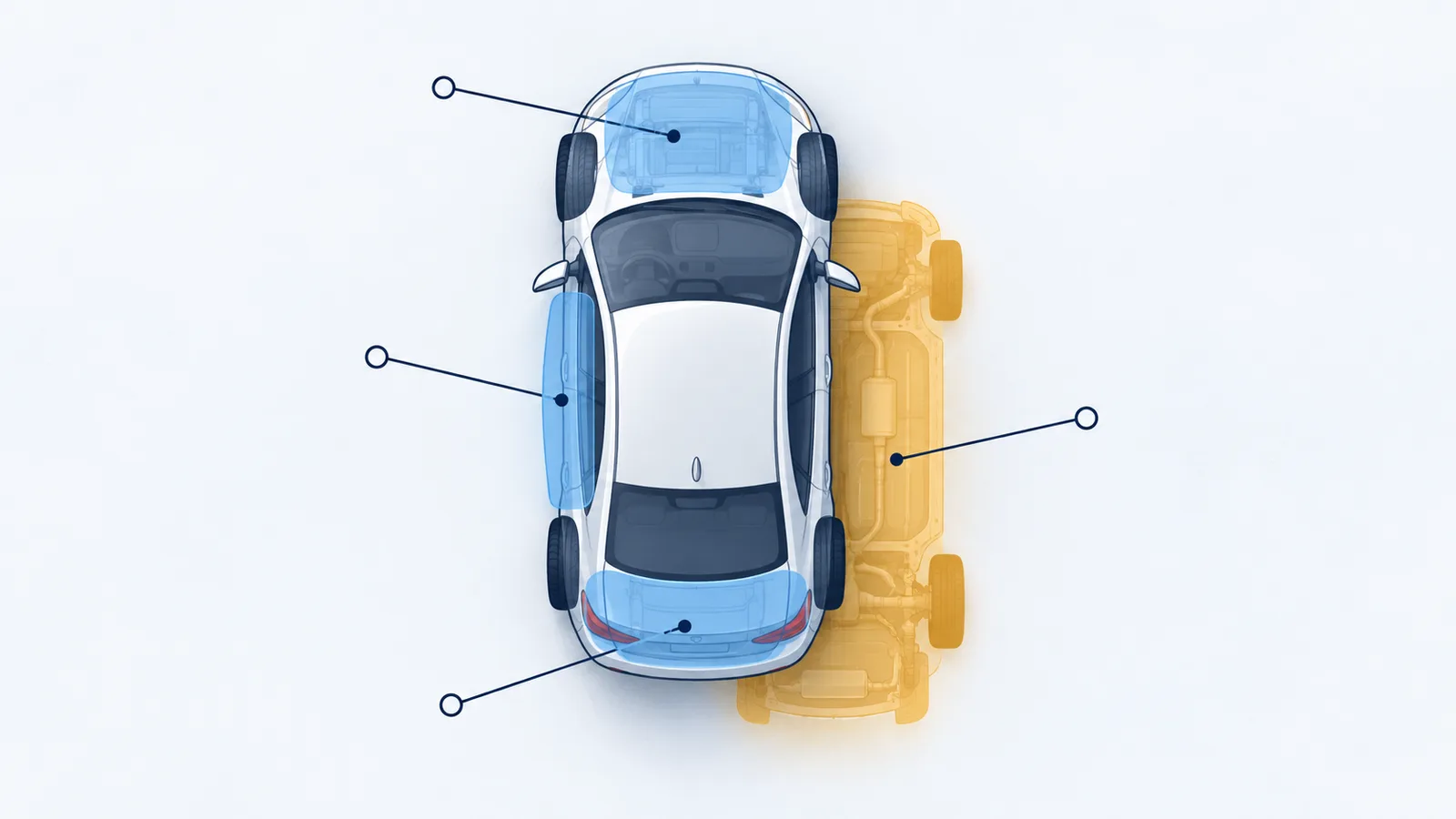
Copart and IAAI damage codes: which ones actually destroy your margin
Translating a damage code is easy. Knowing which ones cost a hundred dollars and which close the deal before you bid is the part that matters.
Read
How to check a US car's history by VIN: Carfax, AutoCheck and their blind spots
A VIN report is the cheapest way to avoid buying someone else's problem. But its limits deserve as much attention as its contents.
Read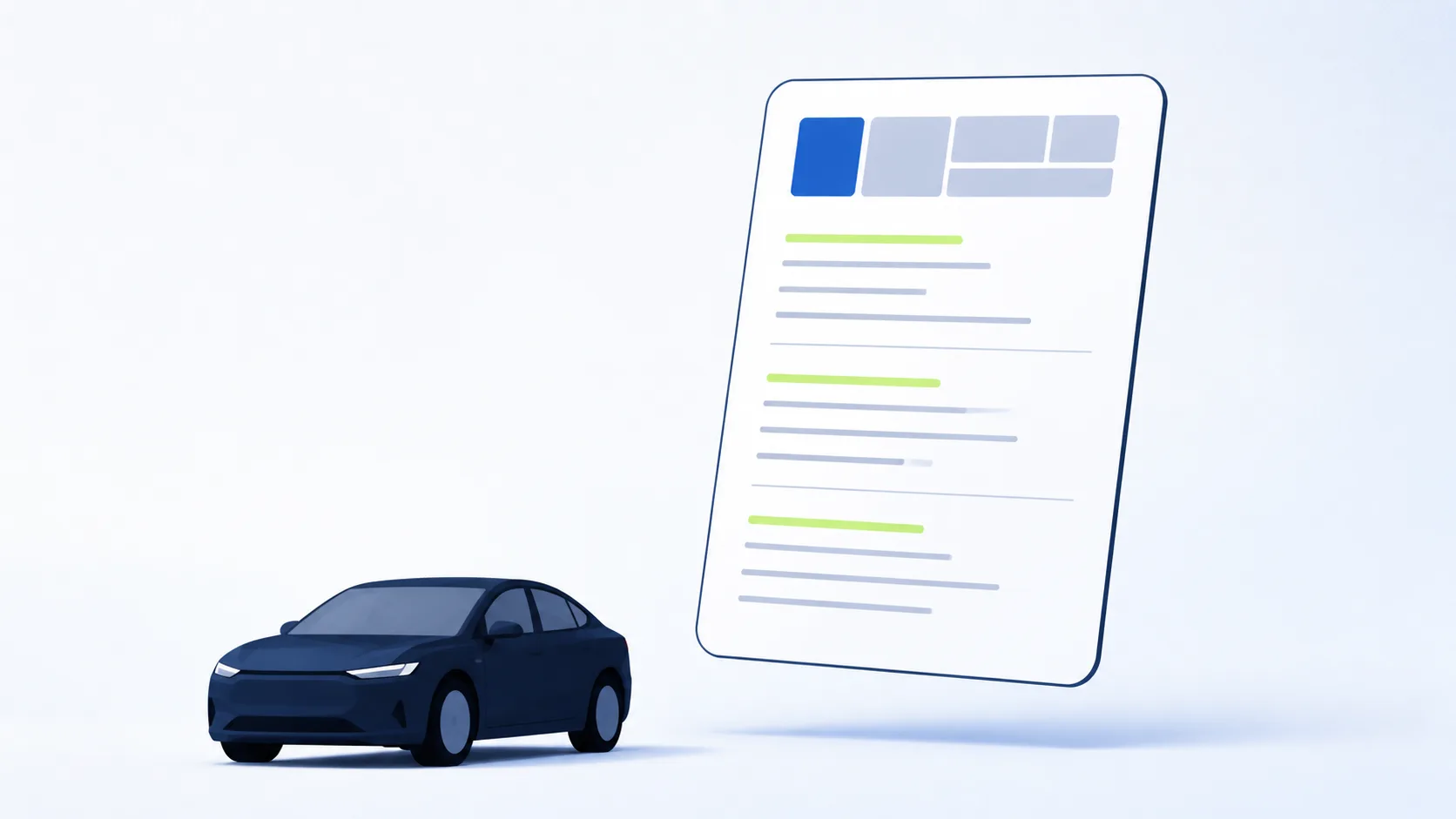
Window sticker by VIN: how to check factory equipment on a US car
An auction listing gives you three lines. The factory sticker tells you exactly how the car left the line and what it cost when new.
ReadFree tools
Check any lot before you bid — no sign-up.